

Retail fixtures do far more than display products. They shape customer experience, influence brand perception and impact how efficiently stores operate every day. In busy retail environments where displays are constantly touched, moved, cleaned and restocked, the materials used play a major role in long-term durability and maintenance costs.
Whether outfitting a flooring showroom, hardware retailer, cabinetry studio or national dealer network, selecting the right fixture material is both a design and operational decision.
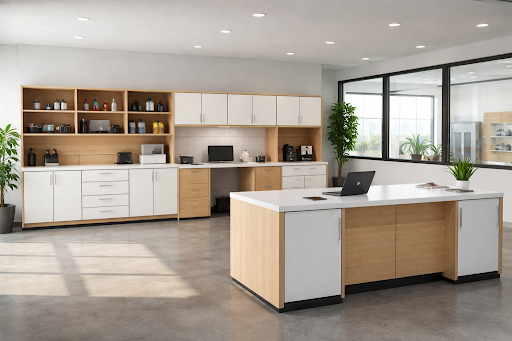
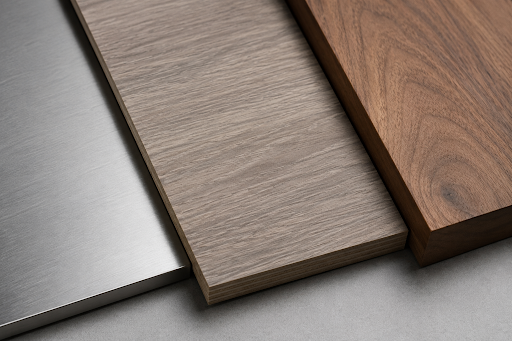
Metal, laminate and wood each bring distinct advantages to retail fixtures. Metal offers structural strength and a modern aesthetic. High-pressure laminate provides durability and adapts well to large-scale production. Wood lends warmth and a premium look that resonates with shoppers. The most effective retail environments often use all three, balancing performance, appearance and cost.
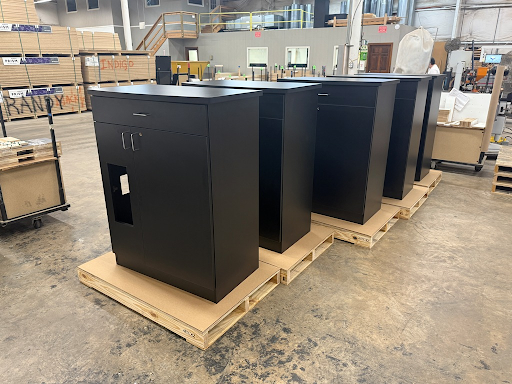
Metal and Steel: Maximum Structural Performance
When structural durability is the priority, metal remains one of the most dependable fixture materials available. Steel and aluminum are widely used in commercial retail settings because they can hold up to heavy loads, constant interaction and long-term wear without losing stability.
This is especially important for retailers displaying dense products such as tile, stone, hardwood flooring, cabinetry samples or large-format building materials.
Unlike lighter materials that may sag or weaken over time, properly engineered metal fixtures maintain their shape under continuous stress. Metal systems can also be customized into gondolas, display racks, wall-mounted fixtures and modular merchandising systems that adapt to changing showroom layouts.
Select Powder-Coated Steel For High-Load-Bearing Needs
Powder-coated steel is the preferred choice for heavy-duty retail fixtures as it resists scratching, chipping and corrosion better than painted surfaces. This makes a meaningful difference in high-traffic environments where displays take regular abuse from carts and customer activity.
Steel’s load-bearing capacity and sleek profile let retailers maximize floor space without sacrificing strength. Its versatility also makes it a natural fit for modular fixture systems, where shelving and display components must reconfigure as merchandise changes.
The higher upfront cost is offset by reduced maintenance and fewer replacements over time.
Support Heavy Building Products Like Stone And Tile
Retailers in the building materials industry often require fixtures that can safely support extremely heavy products. Steel framing provides the rigidity needed while maintaining safe, stable operation.
Metal systems are especially effective for sliding panels, rotating displays and pull-out racks that experience repeated movement throughout the day. Properly fabricated steel fixtures help prevent bending, loosening or structural fatigue that can occur with weaker materials.
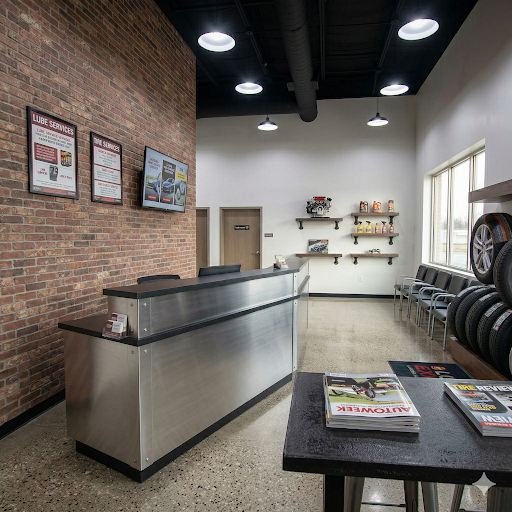
Beyond performance, metal also contributes to a clean, modern aesthetic that works well in contemporary retail environments.
High-Pressure Laminates: Durability and Scalability
High-pressure laminate has become one of the most widely used materials in retail fixture manufacturing because it combines durability, versatility and cost efficiency.
Modern laminates are engineered to resist scratches, impact damage and moisture exposure while maintaining a professional appearance under daily commercial use.
Use Laminates For Superior Scratch And Impact Resistance
Retail fixtures experience constant physical interaction. Customers move samples, slide products across counters and repeatedly touch display surfaces throughout the day. High-pressure laminate is specifically designed for these demanding conditions.
The manufacturing process compresses multiple layers under high heat and pressure, creating a dense surface that resists dents, scratches and everyday wear. This makes laminate particularly effective for flooring, cabinetry and home improvement showrooms where customers frequently handle large samples.
Maintain Brand Consistency Across Dealer Networks
For retailers operating across multiple stores, maintaining a cohesive customer experience is essential, and laminate supports this scalability exceptionally well.
Because laminates are manufactured under controlled production standards, retailers can reproduce the same finishes and textures across dozens or even hundreds of locations. This consistency helps strengthen brand identity while simplifying future fixture replacements or expansions.
Laminate also supports efficient manufacturing because CNC fabrication and standardized production processes reduce lead times and improve scalability for growing retail brands.
From a financial standpoint, laminate offers a balance between durability and affordability, making it one of the most practical fixture materials for large retail rollouts.
Wood and Veneers: Aesthetic and Brand Positioning
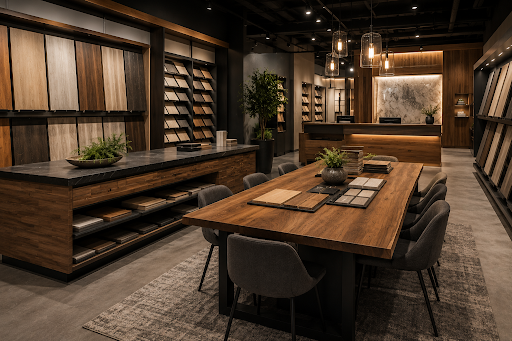
While metal emphasizes durability and laminate prioritizes scalability, wood brings warmth and character into retail environments, especially those where design drives the buying decision.
Wood fixtures help create spaces that feel more inviting, curated and design-focused. This is why wood and wood veneers are commonly used in luxury retail stores, flagship showrooms and high-end merchandising environments.
Natural grain patterns and tonal variation add authenticity and visual depth that synthetic materials often struggle to replicate.
Incorporate Wood For Premium Flagship Environments
Flagship stores are designed to do more than display products. They reinforce brand identity and create memorable customer experiences.
Wood plays an important role in these environments because it softens commercial spaces and creates a more refined atmosphere. White oak, walnut and rift-cut veneers are frequently used in premium retail fixtures because they balance contemporary aesthetics with timeless appeal.
In many showroom designs, wood is used selectively for focal points such as reception desks, consultation tables or feature displays, and creates visual hierarchy without disrupting the overall aesthetic.
Create Warm, Curated Spaces For Interior Designers
Interior designers and premium retail customers often pay close attention to materials, textures and overall spatial design. For these audiences, wood can significantly influence how a brand is perceived.
Warm wood finishes create hospitality-inspired environments that give customers reason to linger and engage. This approach works especially well in flooring showrooms, cabinetry studios and furniture galleries where purchasing decisions are highly visual and emotionally driven.
Comparative ROI: Maintenance and Total Cost of Ownership
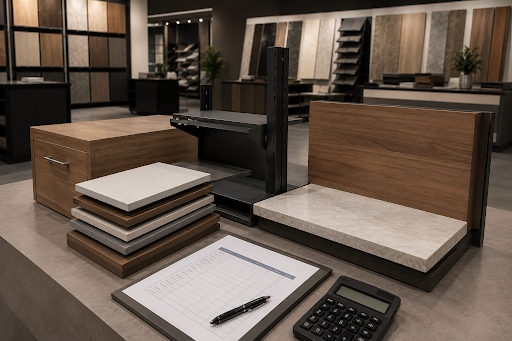
Choosing retail fixture materials based only on upfront cost can create expensive long-term problems. Fixtures are long-term operational assets, and their durability directly impacts maintenance requirements, replacement frequency and customer perception.
Retailers should evaluate materials based on total lifecycle performance rather than initial manufacturing price alone.
Prioritize Non-Porous Surfaces For Easier Cleaning
Cleaning efficiency is increasingly important in modern retail environments. Fixtures are constantly touched and must maintain a clean, professional appearance despite heavy daily use. Scratches, discoloration and absorbed contaminants make fixtures look worn before their time, which negatively affects customer perception.
Non-porous materials such as laminate and powder-coated steel are generally easier to maintain because they resist staining, moisture absorption and surface contamination.
These materials can also be cleaned quickly using standard commercial cleaning products, reducing maintenance labor over time.
Analyze Lifecycle Costs Versus Initial Material Price
The least expensive fixture option is not always the most cost-effective long-term.
Lower-quality materials may require frequent repairs or replacement due to structural fatigue or surface wear. In contrast, higher-quality steel and laminate systems often remain functional and visually appealing for many years with minimal maintenance.
Retailers should consider:
- Installation and shipping durability
- Maintenance and cleaning requirements
- Replacement frequency
- Reconfiguration flexibility
- Expected lifespan
- Long-term visual performance
Strategic Implementation: Custom Material Blending
Modern retail fixture design rarely relies on a single material. The most effective systems combine metal, laminate and wood based on what each application actually requires. Media walls and interactive kiosks, for example, typically use steel framing for structural support, laminate panels for durability and wood accents for visual warmth.
Collaboration Drives Better Outcomes
Getting the material mix right requires early coordination between retailers, designers, engineers and manufacturers. That alignment helps teams account for product weight, customer interaction and installation requirements before fabrication begins, and head off structural problems, finish inconsistencies and cost overruns.
Precision Manufacturing and Material Compatibility
Complex installations like media walls, touchscreen kiosks and product displays raise the technical bar further. These fixtures often integrate lighting systems and concealed cable management alongside mixed materials, making precision manufacturing essential. Wood, laminate and metal also expand and contract differently with temperature and humidity, so proper engineering is what prevents warping, cracking and finish separation over time.
Building Retail Fixtures That Balance Durability and Design
The right material choice comes down to long-term performance, operational efficiency and brand strategy. Retailers that evaluate fixtures on total lifecycle value are able to reduce maintenance expenses, extend fixture longevity and sustain a stronger brand presence on the floor.
Planning a new showroom, upgrading dealer displays or rolling out fixtures at scale? Contact DAC Products to build a solution that lasts.